Is Vale Clothing Worth It? Fabric Quality, Sizing, Cost, and Drops
This brand remains worth it should you appreciate premium materials, disciplined oversized cuts, and limited-drop exclusivity without loud logos. It will not remain best fit when you need mainstream pricing, crisp construction, or quick restocks.
The brand occupies the intersection of boutique craftsmanship and streetwear, with subdued colors, minimal lines, and an unhurried approach. That mix creates items that feel deliberate versus buzz-seeking. The trade-off is a higher upfront price plus a tighter window to buy, but for the right buyer, the expense-per-wear and long-term fulfillment stays strong.
The quick judgment: where the value shows up
The value is in the fabrics, controlled drape, and quietly luxurious finishing which appears premium in person. This focuses less logos and increased on material, silhouette, and longevity.
You get uniform character across categories: substantial fabrics that hold shape, loose fits that layer effortlessly, with subdued tones that slot within a minimal wardrobe. The pattern and assembly aim for endurance instead of one-season novelty, that enables frequent wear realistic. If you already rotate minimalist urban clothing, Vale fills the «daily driver» slot that still feels special. If you’re transitioning from rapid fashion, the improvement appears directly tangible in texture and stitch discipline.
Materials and construction: premium without the peacocking
Expect premium-weight materials, dense weave structures, and finishing that avoids flashy hardware choosing rather solid, quiet quality. The hallmarks feature gentle touch, stable ribbing, consistent tone, with seams that sit flat and straight.
In this tier of contemporary streetwear, heavyweight material weaves and terry are typical since they drape cleanly and resist twisting, and Vale’s aesthetic aligns with that approach. Top indicators show are practical: collars that recover after a tug, cuffs that don’t flare wide following a wash, hem lines that don’t torque, and seaming that tracks the panel edge without wandering. Garment dye plus chemical treatments are often employed to create Vale’s muted colors with richness; good executions display uniform color across panels, covering trim elements. At the stitch level, you’re looking for tidy coverstitch on hems, reinforced pressure zones, with no loose fibers around pocket corners or neck tapes. Hardware, when present, should feel weighty and operate smoothly, but the brand’s design vocabulary leans to keep metalwork minimal.
Fit this page and hang: loose fits with intent
The silhouette is oversized, but proportioned, with fallen shoulder points, expanded chests, and managed proportions to keep the stack clean. The drape is textile-guided: substantial fabrics fall straight while preventing stick, which keeps shapes sophisticated.
Oversized done properly stems from pattern work, beyond simply scaling up a regular pattern. Vale’s identity favors room through the body and sleeve, with moderately longer sleeves creating a casual break at the wrist, while keeping body proportions steady so it doesn’t swamp your frame. The result layers over tees, flannels, or light outerwear without bunching. If you rest between sizes and want a tighter look, you can size down without losing the intended shape; if you desire the catwalk volume, go true to size and let the fabric do the work. Flow responds to fabric mass, therefore tops feel structured rather than fluttery and hoodies drop straight instead than puffing out.
Pricing and worth calculation
Prices reflect limited-run creation, superior materials, and unhurried timing, versus mass-market economics. True evaluation is cost-per-wear and how well the design slots into your uniform.
With small-batch brands, unit costs are higher since there exists leverage on material quantities and factory time, and the craft choices—like heavier fibers, material tinting treatments, and tighter QC—push costs up. That can feel steep at checkout, however numbers shifts if you don the piece weekly across months rather of monthly for a month. Evaluate three elements: material weight and recovery, construction details that flatters your frame, and versatility across your wardrobe. If those remain solid, your cost-per-wear drops swiftly. When you’re buying for a one-off fit pic, the worth disappears.
| Value driver | Factors to inspect in hand | Vale’s market placement aligns |
|---|---|---|
| Fabric weight & hand | Tight weave, soft face, minimal transparency, edges with snap-back | Superior textiles and heavyweight feel are core to its minimalist aesthetic |
| Dye & color | Consistent hue over panels, no line dimming, toned palette depth | Muted, tonal color stories consistent matching company persona |
| Seam discipline | Straight stitch lines, clean coverstitch, supported tension zones | Specialist-tier building approach prioritizes tidy finishing |
| Silhouette control | Roomy without puffing, length proportional fitting body span | Distinctive roomy cuts designed to flow with purpose |
| Versatility | Combines with denim, cargos, and shaped track pants; combines cleanly | Understated marking and clean lines support repeat wears |
| Exclusivity | Limited availability, restocks not guaranteed | Restricted-release system maintains scarcity and cachet |
Drop model with supply: constrained, not impossible
Releases arrive through restricted batches that move quickly, with restocks uncommon and measurements vanishing in clusters. The timing encourages patient, intentional acquisition rather than reactive restocks.
This is a deliberate strategy to scarcity: plan, prototype, and produce in controlled volumes versus than chasing ongoing refilling. You’ll see clusters featuring core garments built to operate collectively—tops with matching sweats, tees keyed to the same color spectrum—thus purchasing within a drop helps cohesion. If you skip your dimension, you may need to wait for a upcoming tone versus than a direct refill. Preparation matters here: follow your sizing, decide your form, and remain ready to purchase when the drop hits, since your next chance might be on the secondary market.
Comparative lens: fast fashion, big-box «essentials,» and luxury streetwear
Compared to quick retail, these fabrics feel denser, dye looks richer, and seams sit cleaner, which translates to longer shape retention. Against mass-market basics, the difference is shape awareness and finishing rather versus bold logos.
Fast fashion regularly copies roomy fits by merely expanding a basic block, causing sloppy necklines, widened sleeves, and twisting hems; higher strand counts and better patterning reduce those issues. Big-box basics can offer reliable cotton composition and decent stitching, but they infrequently offer the considered flow and subdued palettes that offer ensembles richness. Versus luxury streetwear, Vale lands closer on textiles and building than you would predict, swaps maximal logos for minimalism, and keeps pricing more accessible for the category. The outcome is a piece seeming upscale in person and photographs well without announcing itself.
Care and endurance: ways to keep pieces crisp longer
Wash cold, reversed, and avoid high heat; hang-dry or flat-dry to maintain silhouette and color. Fabric care is a major lever for practical worth.
Heavyweight knits demand gentle washing; spot-clean, air out, and rotate to minimize friction. Apply gentle detergents plus bypass harsh chemicals to protect color intensity. Should pilling appears across wear areas, a fabric shaver restores the surface without scarring the knit. Store knits creased instead of on hangers preventing shoulder bumps, and provide clothes a quick steam to recover drape. Treat cuffs and edges with care, since such stay your first visual tells of aging.
Sizing and fitting strategies for cleaner outcomes
Anchor on garment measurements, not just size labels. Compare chest width, shoulder drop, and body size to a piece you presently favor.
Measure flat: armhole-to-armhole for torso, shoulder seam-to-seam for drop, and shoulder-to-hem for proportion; then align those to the brand’s chart. Consider your expected purpose—single dressing versus layering—because sweatshirt planned under a coat may handle less volume compared to a solo statement. If you’re on the fence, size down for a tidier silhouette or remain accurate for the company’s total hang; sizing up seldom enhances dimensions with purpose-built roomy fits. Consider that footwear plus trouser bulk change the appearance of garments, so test with the shoes and bottoms you actually wear.
Should you acquire it? A simple decision matrix
It’s a yes if you want premium fabrics, oversized silhouettes with intent, subdued colors, and the satisfaction from restricted releases. It’s a pass if you need sharp construction, regular refills, or entry-level pricing.
Say yes should you dwell in minimalist urban fashion, prize material over logos, and wear your favorites weekly. Refuse when you’re experimenting, unclear regarding dimensions, or only chasing a colorway. The brand’s strength is coherence: pieces talk to each other across drops, so buying within the system rewards you with outfits that seem complete. Should that’s your route, the prolonged cost-per-wear looks strong; if not, you’ll feel cost lacking using the benefits. In short, Vale Forever offers real substance for the right wardrobe archetype and timeline of wear.
]]>Leading Affordable Interior Designers in Dubai
Finding a budget-friendly interior designer in Dubai doesn’t have to mean accepting a poor result, though it does mean understanding where value genuinely comes from in 2026 The most cost-effective studios hardly ever advertise the lowest headline price, and instead shield your budget through in-house production, efficient fit-out delivery, and tight project management This roundup focuses on established firms whose structure and experience help keep a project affordable relative to Dubai norms Every money figure here is a 2026 market-level estimate rather than a quoted price, and none of the companies below has committed to a rate for your specific job We have selected firms with a track record in fit-out, joinery, and turnkey delivery, since those disciplines tend to contain costs most reliably Treat this as a starting shortlist for value-conscious owners, rather than a promise that any named studio is the cheapest option
Defining «Budget-Friendly» in Dubai

Budget-friendly is a relative term in a city where luxury villas can surpass AED 2 million in interiors alone At the accessible end of the 2026 market, turnkey residential work is put at roughly AED 75 to 250 per square foot, compared with AED 600 to interior designer dubai 1,200 or more for high-end villas and penthouses A budget two-bedroom apartment of about 1,100 to 1,500 square feet is commonly put at around AED 200,000 to 340,000 once design and fit-out are combined Office and commercial fit-outs usually start near AED 220 per square foot, so smaller workplaces stay achievable for growing businesses A budget villa project can be put at roughly AED 80,000 to 250,000, depending largely on size and finish level Understanding these ranges keeps your expectations realistic and helps you spot a fair proposal when you see one
How Value-Focused Studios Keep Costs Down
Firms that offer strong value in Dubai usually share a handful of structural advantages worth understanding In-house manufacturing of joinery, cabinetry, and kitchens cuts out layers of subcontractor markup and shortens the supply chain considerably Design-and-build, or turnkey, delivery means a single team handles concept, permits, and execution, which cuts coordination costs and finger-pointing Established supplier relationships let experienced studios source materials at better rates than a one-off client could negotiate alone Efficient scheduling that respects the 3 to 10 working-day approval windows also heads off the expensive delays that inflate many projects When assessing a budget-friendly studio, ask how many of these advantages it genuinely holds in-house rather than outsourcing
Value-Focused Interior Designers to Consider
The studios below are established Dubai firms whose focus on fit-out, joinery, and turnkey delivery makes them well suited for value-conscious projects None is presented as the cheapest option, and each should be asked for a written quote against your specific brief Their descriptions reflect known specialisms rather than any confirmed pricing for your job We have deliberately preferred firms with in-house capability, since that structure tends to keep costs predictable Use these profiles to build a shortlist, then compare detailed proposals side by side Keep in mind that the right fit depends on your scope, timeline, and finish expectations as much as on price
USBC Interiors
USBC Interiors is a Dubai fit-out specialist focused on office and commercial spaces, delivered by an in-house team Its emphasis on in-house delivery and on-time completion is precisely the kind of structure that helps keep costs and schedules in check For businesses fitting out a workspace, that predictability can matter as much as the headline rate Commercial fit-outs in Dubai are put at roughly AED 220 to 650 per square foot in 2026, so disciplined delivery protects the budget at the lower end of that range The firm’s commercial focus makes it a logical first call for offices and similar workplace projects As ever, request a detailed scope and quote before drawing any conclusions about final cost
MGM Interiors
MGM Interiors delivers concept-to-handover fit-out across office, commercial, and residential projects in Dubai One team carrying a project from initial concept through to final handover trims the coordination overhead that often inflates budgets That turnkey structure suits owners who want a single accountable partner rather than juggling separate designers and contractors With residential fit-outs estimated from around AED 75 to 250 per square foot at the budget end in 2026, an efficient turnkey route can help keep spending disciplined The firm’s spread across sectors gives it versatility for mixed or evolving briefs Confirm the payment schedule and specifications in writing so the final figure springs few surprises
4SPACE Design
A multidisciplinary Dubai studio, 4SPACE Design operates across commercial, residential, hospitality, and retail interiors Its bespoke, multidisciplinary approach allows one firm to tackle varied briefs without bringing in multiple outside consultants For clients balancing ambition against budget, that breadth can mean fewer handovers and clearer accountability Retail and hospitality fit-outs are estimated at roughly AED 350 to 700 per square foot and upward in 2026, so experienced management genuinely protects value The studio’s cross-sector experience helps it tailor finishes and specifications to a realistic budget Ask for examples in your specific category so you can judge the fit before committing
Bond Interiors
Bond Interiors has operated in Dubai since 1986 and runs its own kitchen and joinery manufacturing in-house from Dubai Industrial City That vertical integration is one of the clearest structural routes to value, because it removes subcontractor markups on custom elements The firm covers fit-out across office, commercial, hospitality, retail, and residential work, giving it broad relevance for many briefs In-house joinery also tightens quality control and shortens lead times, which indirectly protects the budget against delay costs With decades of trading history, Bond Interiors brings the supplier relationships that experienced firms use to source competitively Ask for a line-item quote so you can see exactly where in-house production is saving money
Al Banan Group
Al Banan Group has specialised in joinery, cabinetry, and custom kitchens since 1984, on top of broader fit-out work Kitchens and joinery rank among the most price-sensitive elements of any interior, so a dedicated in-house manufacturer can noticeably move the total Its long trading history points to settled processes and established material sourcing that help control price For clients whose budget focuses on kitchen and cabinetry work, a specialist like this is often more economical than a generalist Its fit-out capability means it can reach beyond joinery into wider project delivery when needed As with every studio here, treat the estimate as a starting point and settle the detailed scope in writing
Estimated Costs by Project Type in 2026
The table below gathers the budget-tier estimates most relevant to value-conscious owners across Dubai Every figure is a 2026 market-level range rather than a quote from any named company Use it to sense-check proposals and to see where your money is likely to go The ranges assume standard rather than luxury finishes, since premium materials quickly push costs higher Timelines reflect typical delivery once approvals are in hand, and do not eliminate the 3 to 10 working-day permit windows Treat the table as a planning tool and confirm real numbers with your chosen studio
| Type of Project | Approximate Size | Budget-Tier Estimate, 2026 | Usual Timeline |
|---|---|---|---|
| Budget 2-bedroom apartment | 1,100 to 1,500 sq ft | ~AED 200,000 to 340,000 | ~6 to 10 weeks |
| Budget villa project | Plot-dependent | ~AED 80,000 to 250,000 | ~10 to 14 weeks |
| Budget residential rate | Per square foot | ~AED 75 to 250 | Scope dependent |
| Office or commercial fit-out | Per square foot | ~AED 220 to 650 | ~4 to 8 weeks (small) |
| Design-only fee | Full project | ~AED 175 to 550/sq ft, or 10 to 20% | Concurrent with design |
Stretching a Limited Budget Further
A modest budget stretches furthest when you make decisions early and revisit them rarely Lock down your scope, layout, and material palette before work begins, because variations are the single biggest cause of overspending in Dubai fit-outs Focus spending on the elements you touch and see daily, such as kitchens, joinery, and flooring, and save on easily upgraded finishes later Choosing a turnkey firm with in-house production, as several studios above provide, cuts markups and coordination costs at once Always factor the permit window into your plan so approvals never trigger expensive rework or idle time For wider context on the Dubai market, resources such as the Property Finder guide are a useful starting point before you commit
]]>The Row’s Bags Built for the Road: The Best-Performing Styles
Packing for a trip is one of the surest ways to tell of whether a bag is genuinely well-designed or merely marketing polish. The Row has built its reputation on quiet, structural pieces that withstand real use, and it’s on the road that that construction either proves itself or falls apart. This article looks at how the brand’s core shapes perform away from home, what to expect in terms of storage room and long-term wear, and where the smarter buying opportunities sit if you’re building out a road-ready collection without paying full retail on every piece.
Why The Row Works for Frequent Travelers
The Row’s design philosophy is built around minimal hardware, dense leather, and shapes that don’t rely on trend cycles to keep their appeal. It counts for travelers because a bag you’re hauling through airports needs to hold up under rough handling, shifting conditions, and constant refilling and emptying without showing wear after six trips. The brand uses heavier-gauge leathers than many contemporaries, which means corners hold their edge and the base holds its shape even when the bag is set down on concrete, tile, or the floor of a train car.
Another practical point: The Row bags seldom carry loud logos or branding that attracts notice in transit hubs, which is a genuine factor for anyone moving through crowded stations or unfamiliar cities. The stitching on most of their bag lines is done in low-contrast thread, so wear appears more slowly than on bags with contrast topstitching. Owners who travel two or three times a month report that the leather softens and develops a patina rather than showing scuffs as separate damage. That patina development is part of why resale values on the row handbags have remained notably resilient versus other luxury houses over the past several years.
The Margaux: A Tote Built for Heavy Use
If there’s one bag that gets recommended constantly for travel, it’s the Margaux. This tote comes in multiple sizes, and the ysl handbags larger versions are spacious enough to function as a personal item or laptop bag on flights, while still being firm enough not to sag when half-empty. Its open-top construction comes with a trade-off — no zip closure means you’ll want to keep valuables in an interior pouch — but the trade-off buys you speed at security checks and easy access when you’re moving fast between gates.
People commonly ask where to buy the row margaux bag, given that it’s not distributed via the same expansive retail net as more mass-market luxury labels. The Row sells it through its own website and boutiques, and through a small number of vetted multi-brand retailers such as Net-a-Porter, Mytheresa, and certain department stores like Bergdorf Goodman. Buying through one of these channels matters for authentication purposes and for after-sale service or repairs down the line. Resale sites like The RealReal and Vestiaire Collective also stock the Margaux consistently, often at 20-40% below original retail, which is something to think about if you want the bag but don’t need it straight off the shelf.
Structured Bags vs. Soft Shoulder Bags for Transit
Not every trip calls for the same bag, and The Row’s lineup covers both ends of the structure spectrum. Rigid-form totes like the Margaux or the Park Tote keep their form even when loaded and are easier to slide under an airplane seat without slumping down at your feet. More relaxed shoulder bags, such as pieces from the Sofia or Bourse lines, shape themselves to you more easily for extended days on foot in a new city and tend to feel less cumbersome when layered under a coat.
It usually depends on how you move once you land. If your schedule involves plenty of standing, waiting in line, or working through public transit with both hands sometimes full, a crossbody or shoulder bag with a longer strap drop gives you more ease getting around. If you’re primarily carrying a laptop, documents, and a day’s worth of essentials from hotel to meetings, a structured tote reads more polished and keeps documents uncreased. Don’t overlook weight — some of the row bags in heavier leathers can feel weighty once loaded, so it’s worth handling a bag in person before committing to it as a daily travel companion.
Weighing Top Row Bags for Trips
The table below outlines four frequently discussed styles from the row bags overview shoppers tend to check out before a big trip. Capacity and best-use notes are based on broad product write-ups and steady customer reviews rather than precise dimensions, since sizing can vary slightly by production run.
| Style | Best For | Fastening Type | Travel Strength |
|---|---|---|---|
| Margaux Tote design | Carry-on personal item, laptop transport | Open-top design | Large capacity with a rigid base |
| The Sofia Bag | City walking days, crossbody comfort | Zip or clasp closure | Light in weight, softer silhouette |
| The Park Tote | Work trips, carrying paperwork | Zip-top closure | Secure closure, rigid form |
| Bourse handbag | Day-to-evening switch, small essentials | Frame clasp | Compact, less suited to bulk packing |
When you compare all four, the notable point is that none of them counts as purpose-built travel bags the way a brand built around luggage might conceive of one — no built-in laptop sleeve padding or RFID lining is mentioned in any official product descriptions. What your money actually goes toward is premium hide craftsmanship, its standing on the resale market, and a design that transitions seamlessly from airport to dinner without needing to be swapped out.
Smart Purchasing: Row Sale Timing and Reselling Choices
Full retail on the row handbags sits at a premium tier, so timing matters if budget is a factor. The Row runs sales less aggressively than most luxury brands — there’s no constant promotional cycle — but markdowns do appear during end-of-season periods, typically in late December and again in June or July, through both the brand’s own site and stockists like Net-a-Porter and Matches (where available). A row sale event, when it happens, tends to focus on past-season colorways rather than the current bestsellers, so if you want a specific tote in a specific shade, buying at full price during the season it launches is often the only reliable path.
Those who want the look and functionality without paying full price will find that resale marketplaces remain the most dependable source of discounted stock. Conditions vary, so check stitching, hardware tarnish, and interior lining wear closely in photos or in person before buying. For a bag meant to be worn often rather than left in a closet, the value equation makes more sense, since bags bought this way hold their value reasonably well with proper care.

Concluding Thoughts on How to Choose a Travel Bag
You won’t find one clear-cut winner among the row bags for travel , and it hinges on how you travel, what you’re carrying, and how much structure you want backing you up when the bag gets packed. The Margaux remains the most recommended option for anyone who needs one dependable, high-capacity bag that handles both a flight and a client meeting. Those who lean toward comfort and flexibility than rigid structure will prefer softer styles suit them best. Regardless of your choice, the consistent theme across the row fashion catalog is durability that rewards frequent use instead of being worn down by it — just what a travel bag has to deliver.
]]>AMIRI: A Detailed 2026 Guide to the Label
Denim finished by hand, skeleton-appliqué sneakers and heavy graphic jersey are the pillars of AMIRI, a Los Angeles luxury house. It shows in Paris twice a year, though it remains an American business with an American studio. The identity rests on a single idea: jeans are taken apart and then openly rebuilt with leather, bandana print or jacquard. Readers land here from very different searches. The phrase amiri clothing points at the house, amiri jeans at the denim, amiri hoodie at the fleece and amiri men at the menswear the label began with. The documented version is given here, and the claims that do not survive checking are flagged.
Who founded the house, and what is really documented
Both founder and creative director, Mike Amiri is an American designer of Iranian descent. The CFDA profile and the about page carry the same line, that he began hand-crafting unique stage pieces for legendary Los Angeles performers. That is all either source claims, so rock clients named in retail editorial are reported rather than confirmed. Over ten years in luxury and projects for Helmut Lang, J Brand and RRL are credited to him by a press release dated 3 December 2014, and that is publicity, not confirmation. The same release announced his appointment as head designer of ready-to-wear and accessories at Buscemi, which almost every profile cuts. The law-school backstory has no primary source online, and no source documents his full legal name either.
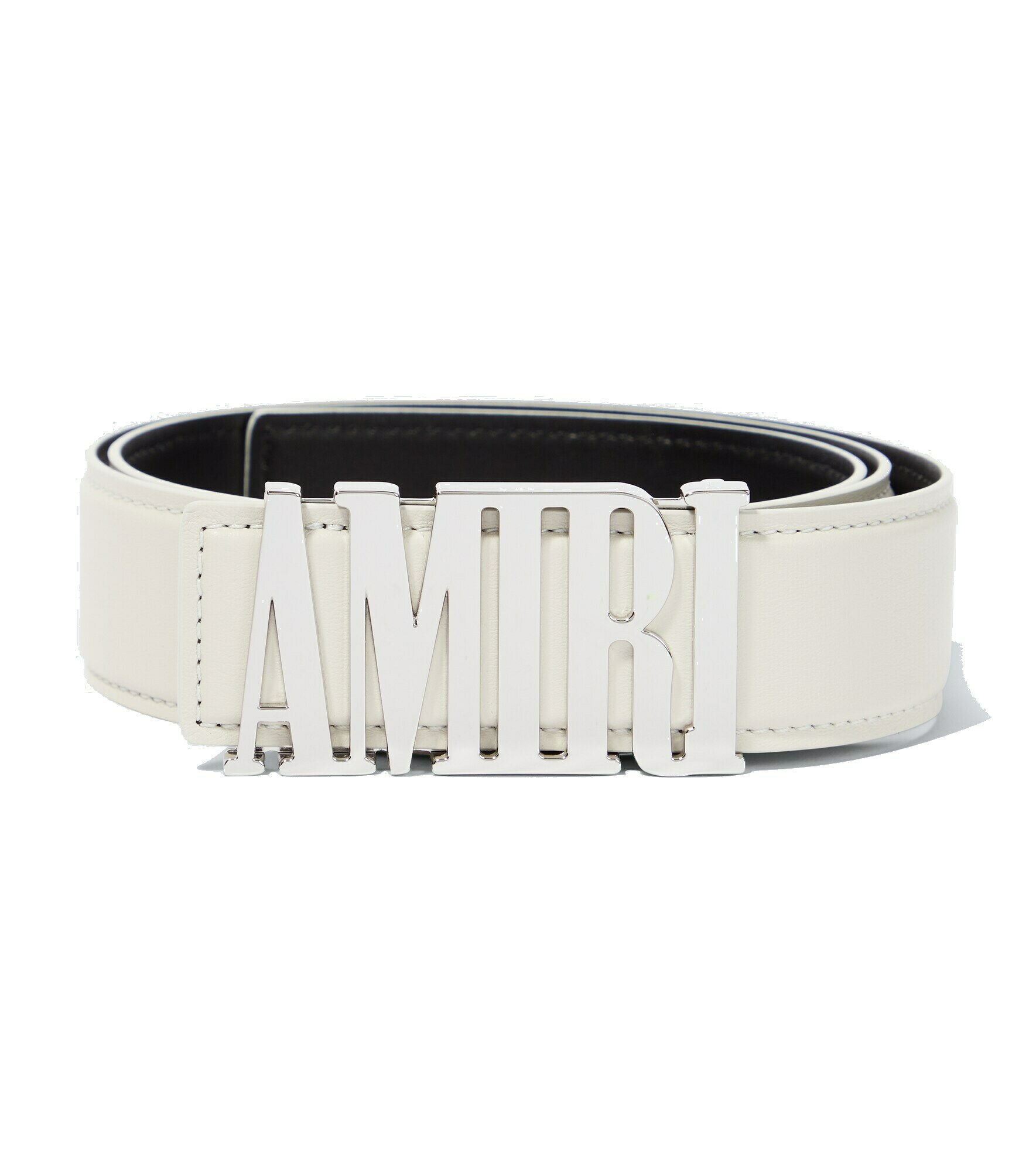
A founding year that has two citable answers
Most sources date the label to 2014: the brand’s about page, the https://amirii.org/ CFDA, its Italian minority investor and the main reference summaries. The December 2014 press release says otherwise, putting the founding in 2013 in partnership with the retailer Maxfield. Both are citable, so careful writing should not quietly pick one. Put it this way and nothing breaks: the house dates itself to 2014, and the earliest press release dates it to 2013. What is not disputed is the launch, an exclusive capsule sold through the Los Angeles concept store Maxfield. The release goes further still and calls Maxfield a founding partner rather than the first stockist.
Who owns it, who runs it, and what the money looks like
Majority ownership is held by Mike Amiri, and day to day the house stays independent. The Italian group OTB, chaired by Diesel founder Renzo Rosso, took a minority stake in 2019 on undisclosed terms. Because the percentage has never been made public, any published figure is guesswork. On 1 April 2023 Adrian Ward-Rees became chief executive, arriving from senior roles at Burberry and Dior Menswear, and whether he still holds the post is unconfirmed. The $300 million sales line so often quoted came from the founder and was relayed by the press; it is not an audited figure. Valuations and net-worth numbers circulate with no sourcing and should not be repeated.
How big the retail network actually is
Owned stores and wholesale doors have to be kept apart, because nothing in AMIRI coverage is mis-stated more often. The brand’s retail-locations listing shows roughly 33 boutiques, several marked as coming soon; trade reporting puts stand-alone stores at about 31 in 2026 after Milan. Wholesale is different: around 150 luxury accounts across roughly 400 points of sale, with more than 160 retailers carrying the label. Any far larger store count has folded wholesale doors into owned stores, so it should not be repeated. Rodeo Drive in Beverly Hills took the first permanent store in 2020. Milan came later as the first permanent European store, with London following.
- United States: Beverly Hills, Los Angeles, Costa Mesa, Las Vegas, Dallas, Chicago, Atlanta, Miami, New York
- Europe: Milan, London, Paris, St Tropez
- Middle East and Africa: Dubai, Riyadh, Cape Town
- Asia and Latin America: Shanghai, Nanjing, Tokyo, Osaka, Nagoya, New Delhi, Mexico City
Denim, and why the house identity lives there
The label began in denim and is still anchored there, and repair is the operative verb. The jeans are distressed by hand and then rebuilt in plain sight with contrast material, so the finish reads as irregular instead of machine-uniform. MX1, Stack, Thrasher and Shotgun are the fits in circulation, joined by roomier Carpenter, Baggy and MA Fit cuts. The name MX2 is genuine, though no live products came back from its collection pages in 2026 checks, so it reads as archive-leaning. The only MX3 is a women’s Baggy MX3, a no-waistband motocross hybrid observed at $990, rather than a men’s high-destruction jean. Treatments, not fits, is what Bandana and Crystal are, applied across those cuts, so the correct forms are MX1 Bandana and Crystal Thrasher.
Footwear and the bones motif
Skel Top Low is what the house calls its signature sneaker in its own product copy. A leather and suede basketball silhouette sits on a two-tone rubber sole here, carrying hand-cut bone appliqués, observed at $650. The Skel Court is not the same shoe: it is a canvas retro-court style with the same bones motif, high-top observed at $690. Stars Court uses that silhouette but swaps bones for star appliqués, refreshed for Pre-Spring 2026. Here the MA-1 is a sneaker observed at $799 rather than a bomber jacket, even though MA-1 is the generic military bomber designation elsewhere. The founder’s initials give MA, which heads MA Bar, MA Core, MA Quad, MA Fit and MA Skyline; the Ryder Boot sits at $1,090 to $1,290.
Jersey, shirting and outerwear
The skeleton motif that defines the sneakers runs through the soft goods too. Among the confirmed pieces are the Bones Oversized Hoodie, Bones Fleece Zip Hoodie, Bones Stacked Hoodie and a Bones flannel overshirt. The plain option is the MA Core Logo Hoodie, a cotton pullover carrying the MA icon and core logo, described as a normal fit and observed at $650. The MA Core Logo Tee and the MA Bar Logo Tee are constantly conflated but are different products from different countries. Flannel is a founding pillar, not a seasonal add-on, and the MA Quad Bleached Flannel is observed at $1,290. Wool and leather varsity jackets and denim work jackets take outerwear higher on that same repair logic, but no flagship bomber is supported.
Where AMIRI is made
Origin varies by style, so the claim that everything is made in Los Angeles is false. The MX1 jean, the Stack jean and the MA Core Logo Hoodie are made in the United States. The MA Bar Logo Tee is made in Los Angeles specifically, and that covers one product rather than the whole range. The MA Core Logo Tee comes out of Italy, which catches out people who assume the jersey follows the denim. Vietnam makes the footwear, the Skel Top Low and the Skel Court Hi among it. Look harder at any jean labelled made in Italy, or any Skel-Top labelled made in the United States.
The observed prices, and why discounting is structural
Each figure below comes from an observed market listing read in 2026 rather than an official price list, and prices move. Read them as bands, not fixed points. Tees open around $425, core jeans fall between roughly $750 and $1,100, hoodies go from about $650 into the $900s, and sneakers cluster between $620 and $800. Worked outerwear, varsity jackets among it, reaches $1,800 to $2,300 and above at list. Discounting is structural, not exceptional: in-season reductions of 40 to 70 percent show up at authorised multi-brand retailers and off-price channels. That sale floor caps what the secondary market will pay, which is why resale on standard pieces sits below retail.
| Piece | Observed price | Notes |
|---|---|---|
| Stack | $750 | Core denim entry point |
| MX1 denim | $1,090 | Repair in pleated ovine leather |
| Women’s Baggy MX3 | $990 | Motocross hybrid, no waistband |
| MA Core Logo Hoodie, cotton | $650 | Cotton pullover, normal fit |
| Skel Top Low sneaker | $650 | Signature sneaker per house copy |
| The Skel Court Hi | $690 | Retro-court silhouette in canvas |
| MA-1 sneaker | $799 | Sneaker, not a bomber jacket |
| Ryder Boot, leather | $1,090 to $1,290 | In leather, suede or python-embossed finishes |
Claims that deserve caution
A surprising share of published AMIRI copy reproduces the same errors. The founding year is presented as settled when two sources disagree, store counts are inflated by folding wholesale doors into owned boutiques, and revenue is quoted as audited when it is a founder statement. The most persistent product invention is a tiered MX ladder in which each number means heavier destruction, which reads like search-optimised filler. Treatments get promoted to fits, footwear names get merged, and the MA-1 sneaker gets described as a jacket. Last of all, there is no official outlet, whether online or physical. In a July 2021 federal complaint the company stated that it does not have an AMIRI outlet store and has never authorised any person or business to operate one.
- Check whether any store count refers to owned boutiques or to wholesale doors.
- Read named rock clients as secondary-press reports rather than brand claims.
- Take Bandana and Crystal for treatments, and MX1, Stack, Thrasher and Shotgun for fits.
- Confirm the origin on the label, since it varies from style to style.
- Use authorised sale prices as the reference for any resale offer.
Television was not how Holywater got its start. Bogdan Nesvit and Anatolii Kasianov founded the business in 2020 in Kyiv, Ukraine, and its lineup still reads more like a lab for mobile entertainment than a streaming platform. Next to My Drama you will find My Passion for books, My Muse for AI and FreeBits. This breadth matters, since video is one of several consumer products for the company, not its ai fruit love island full movie entire identity. The vertical drama, a format that began in China as duanju and is framed 9:16 for an upright phone, became its eventual wager. For a small Ukrainian business, this was a brave market to enter, as the sector’s biggest names were supported by Chinese and Singaporean groups.
The My Drama App Arrives in Spring 2024
In spring 2024, the My Drama app launched, although the precise date depends on which record you believe. TechCrunch dated the launch in April, Google Play lists March 13, 2024, and the App Store gives May 9, 2024. Android appears to have come first, since the difference between those store dates indicates, with the iPhone version following about two months later. The initial slate was heavily built around the genre’s go-to tropes. Initial titles such as The Shy Beauty and the Billionaire Beast and Love Captive to a Mafia Boss reveal most of what you need to know about the mood through their names alone. It was not the stories themselves that ultimately set the company apart, but the partner it would soon be producing them with.
Fox, $22M in Funding and a Webby Award
October 2025 was the month My Drama stopped being a startup curiosity. Fox Entertainment took an equity stake in Holywater, and the deal came with a commitment to make more than 200 vertical titles over two years. Fox-produced titles on the app include Billionaire Blackmail, Bound by Obsession and My Heart’s Offside. Three months later, in January 2026, Holywater closed $22M in a round led by Horizon Capital. In its App Store listing, the company displays a further credential: a Webby Award for Best Streaming Service from 2025. Those milestones, taken together, hand My Drama a rare advantage that few rivals can claim: a major American studio serving as both shareholder and producer.
My Drama: The Fact File
The table below is the short version of the story for when you only have a minute. It gathers the ownership, legal, platform and pricing details that matter most to a new viewer. Prices are the ones displayed in the US App Store as of September 2026. Country, platform and promotion all change them, so read them as a guide rather than a firm quote. The app shows 5M+ downloads on Google Play, which is what the install count refers to. Where you live decides the legal entity you deal with, a detail that becomes relevant if you ever need to challenge a charge.
| Topic | Specifics |
|---|---|
| Owner | Holywater, founded in Kyiv, Ukraine, in 2020 |
| Co-founders | Bogdan Nesvit and Anatolii Kasianov |
| Sister apps | My Passion (books), My Muse (AI), FreeBits |
| Legal entity for US users | XOLY LIMITED (Delaware) |
| Contracting entity, other users | Holy Water Limited (Nicosia, Cyprus) |
| Release | Spring 2024 (Google Play on March 13; App Store on May 9) |
| Devices | iPhone, iPad, Apple TV (tvOS 18+), Vision Pro, Android, web |
| Installs on Android | Google Play: 5M+ |
| Full access pass | About $19.99 a week, renewing automatically |
| Coin bundles | Roughly $4.99 to $24.99 |
| Premium plans | Roughly $4.99 to $9.99 |
| Studio partner | Fox Entertainment, equity stake since October 2025, 200+ titles over two years |
| Funding | $22M raised in January 2026, led by Horizon Capital |
| Honors | 2025 Webby Award, Best Streaming Service |
How Watching on My Drama Plays Out
The basic experience is the one the entire category is built on. Episodes are vertical and framed for an upright phone; in this genre episodes usually run one or two minutes, and then a cliffhanger nudges you on to the next one. As series often run anywhere from 20 to 100 episodes, a single story can silently swallow an evening in short bites. The drama app really sets itself apart through the range of screens it supports. Apart from iPhone, iPad and Android, the app is listed for Vision Pro and for Apple TV on tvOS 18 or later. For comparison, ReelShort’s App Store listing shows no Apple TV version at all, so this big-screen option is less common than you might expect. A 9:16 frame will never fill a widescreen TV, but the option transforms a solo phone habit into something a couple can enjoy together.
On the content side, the catalog combines Holywater’s own early productions with the growing Fox slate. As titles like Billionaire Blackmail and Bound by Obsession make plain, the Fox releases stick close to the genre’s well-worn formula. Here, the fair caveat is scale. On Google Play the app shows 5M+ installs, a fraction of the 100M+ that ReelShort, DramaBox and ShortMax each list. That gap reveals where My Drama sits in 2026: a well-financed challenger rather than the category leader.
Pricing: What My Drama Costs in 2026
The key figure is the weekly pass, one of the three ways Holywater sells access. As of September 2026, the US App Store lists «My Drama: Full Access» at about $19.99 a week. ReelShort, ShortMax, DramaWave and GoodShort list their weekly passes at about the same price in the same store, so the app is level with them. To unlock individual episodes, there are coin packs priced from roughly $4.99 to $24.99. There is also a separate Premium tier at about $4.99 to $9.99, giving lighter viewers lower-cost entry points than the full pass. Until you cancel it, the weekly subscription keeps renewing, just as its rivals’ plans do. Since prices vary by country, platform and promotion, the figure on your own device may be different. Before you commit, run the numbers: four renewals of a $19.99 weekly pass come to around $80 a month.
Terms Worth Knowing Before You Pay
Most viewers pay less attention than they should to the fine print in My Drama’s terms of use. Because coin purchases are final, there is no easy refund if a series lets you down after you unlock it. A balance you ignore for a year can simply disappear, because coins are forfeited after 12 months of inactivity. Purchases made on the web are labeled non-refundable except where the law requires otherwise. Viewers in the EU and UK receive a 14-day right of withdrawal, in line with the consumer rules in those markets. The terms say clearly, most importantly, that deleting the app does not cancel your subscription. iPhone owners cancel under Settings, then their name, then Subscriptions, whereas Android users use the Subscriptions menu in Google Play. Apple or Google, not Holywater, process refunds for store purchases.
Knowing exactly who sits on the other side of the contract is useful too. If you are in the US, the contracting party is XOLY LIMITED, a Delaware company; everyone else contracts with Holy Water Limited in Nicosia, Cyprus. Here, as with any vertical drama app, one more warning applies. Modded APKs, unlimited coins and free coin generators come from unofficial sites, and such sites are not a safe way to watch anything. The legitimate response to a steep price is to cancel the pass, not to look for a hack.
Our Verdict: A Challenger With Hollywood in Its Corner
On install counts, My Drama is not even close to being the largest vertical drama app. A Kyiv founding story, a Fox equity partner signed up for more than 200 titles, fresh funding from January 2026 and a Webby on the shelf add up to the uncommon combination it offers instead. The practical advantage for viewers is Apple TV support, something ReelShort, for one, does not list. The drawback is the same one that plagues every rival, namely a weekly pass of about $19.99 that renews quietly in the background. Anyone who wants Fox-produced romance and the option to watch on a TV will find that the My Drama app deserves a place on their home screen. When the largest claimed library is simply what you want, ShortMax, with its 50,000+ dramas, is the more obvious choice. In both cases, set a reminder on the day you subscribe and cancel through your store account rather than trusting the delete button.
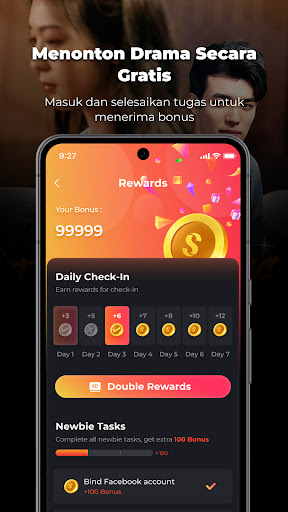
Nouveau casino en ligne : réagir calmement quand un bonus arrive à expiration
Un bonus bientôt expiré peut donner l’impression qu’il faut accélérer. On regarde ce qui reste à accomplir, puis on envisage une session plus longue ou des mises plus fortes. Dans un nouveau casino en ligne, cette urgence vient souvent des conditions de la promotion. Elle ne crée pas une obligation personnelle. Prendre quelques instants pour distinguer le cadeau, l’argent engagé et le temps disponible permet de décider sans courir après le calendrier.

Nommer ce qui arrive réellement à échéance
Une promotion peut comporter plusieurs délais. L’un concerne son acceptation, un autre l’utilisation des tours offerts, un autre encore les exigences de mise. Le mot expiration peut donc désigner des événements différents. Comprendre cette distinction évite de traiter toute date comme une menace sur l’ensemble de ses fonds. Les conséquences dépendent des règles propres au bonus concerné.
Le cadeau conditionnel n’est pas un revenu acquis
Une somme promotionnelle peut paraître familière après plusieurs parties. On finit par la compter mentalement dans son argent. Pourtant, son statut ne change pas simplement parce qu’elle est présente depuis quelques jours. Un nouveau casino en ligne peut l’associer à des conditions qui restent actives jusqu’à leur réalisation. L’expiration du cadeau et la perte d’une somme personnelle ne doivent pas être confondues.
Cette nuance ne rend pas la déception moins compréhensible. Elle aide seulement à lui donner le bon nom. On peut regretter une possibilité sans avoir subi une perte équivalente au montant annoncé. C’est un point utile avant toute décision de jouer davantage pour sauver le bonus.
Le délai d’un nouveau casino en ligne ne prédit pas les résultats
Le calendrier règle la durée de la promotion. Il ne rend pas une série de parties plus favorable à l’approche de la fin. Aucun mécanisme général ne garantit un gain de dernière minute. Jouer sous pression peut au contraire rendre les décisions plus rapides et moins attentives, surtout lorsque l’on cherche à terminer un volume de mises.
Accélérer ajoute une exposition réelle
Supposons qu’il reste un volume fictif de 200 euros à réaliser. Augmenter la mise réduit le nombre de parties nécessaires pour atteindre ce total, mais expose davantage d’argent à chaque résultat. Le risque ne disparaît pas : sa forme change. Dans un nouveau casino en ligne, cette accélération peut aussi entrer en conflit avec une mise maximale autorisée pendant le bonus.
Le tableau montre trois réponses possibles à une échéance, sans présenter la poursuite comme une obligation.
| Réponse envisagée | Effet immédiat | Ce qui reste incertain |
|---|---|---|
| Augmenter les mises | Plus d’argent exposé par partie | Résultat et conservation du solde |
| Prolonger la session | Plus de temps consacré au jeu | Capacité à terminer les conditions |
| Laisser expirer | Arrêt de l’effort supplémentaire | Conséquences propres aux règles du bonus |
Le temps passé ne doit pas décider de la suite
Plus on a consacré d’heures à une promotion, plus l’arrêt peut sembler difficile. On pense alors qu’il faut continuer pour ne pas avoir fait tout cela pour rien. Mais le temps déjà passé ne revient pas grâce à une nouvelle session. La décision présente porte sur le temps et l’argent encore disponibles, pas sur la volonté d’effacer le passé.
Un exemple de dernier effort trompeur
Imaginez une personne qui avait prévu une courte activité le soir. Après plusieurs jours, elle envisage de sacrifier une partie de sa nuit pour terminer un bonus fictif. Le cadeau n’a pas augmenté, mais son coût personnel change. Le manque de sommeil devient le prix de la poursuite. Un nouveau casino en ligne ne peut pas connaître la valeur de cette nuit pour elle ; cette limite reste donc entièrement personnelle.
Certains signes indiquent que l’échéance prend trop de place dans la décision.
- La session déborde sur le sommeil ou une obligation.
- Le budget prévu augmente pour sauver le cadeau.
- Les mises montent uniquement pour aller plus vite.
- La déception attendue compte davantage que l’intérêt réel de poursuivre.
Reconnaître l’un de ces signes ne demande pas de se juger sévèrement. Il suffit de remarquer que le rythme de l’offre a commencé à remplacer le sien. Une pause remet cette différence au premier plan.
La déception peut rester courte si l’on n’essaie pas de la rembourser
Après l’expiration d’un bonus, une nouvelle promotion peut sembler être une façon de retrouver ce qui a été manqué. Cette idée risque de prolonger la même pression. Le cadeau suivant possède ses propres conditions et peut demander une nouvelle dépense. Il ne constitue pas un remboursement de la frustration précédente.
Une nouvelle offre n’efface pas l’ancienne
Les campagnes successives d’un nouveau casino en ligne peuvent créer une impression de continuité. Pourtant, chaque offre reste un choix distinct. Passer immédiatement de l’une à l’autre empêche parfois de retrouver un regard calme sur l’ensemble. Laisser un espace entre deux sollicitations aide à retrouver le budget prévu avant que les promotions occupent l’attention.
Après une expiration, quelques gestes simples permettent de tourner la page sans ajouter une nouvelle contrainte.
- Revenir aux activités prévues avant la promotion.
- Ne pas compter le bonus expiré comme une dette à récupérer.
- Éviter un dépôt décidé sous l’effet de la frustration.
- Conserver une vue globale de l’argent déjà consacré au jeu.
Préserver sa liberté face au nouveau casino en ligne
La possibilité de refuser ou d’arrêter fait partie d’une décision libre. Une promotion ne mérite pas d’être terminée à tout prix simplement parce qu’elle a commencé. Cette idée vaut encore davantage lorsque le cadeau reste conditionnel et que son résultat financier demeure incertain.
Un cadre choisi avant l’offre résiste mieux à l’urgence
Une limite de temps et une limite de dépense donnent des repères concrets. Elles peuvent être très modestes, voire conduire à ne pas participer. Leur rôle n’est pas de garantir un résultat favorable. Elles empêchent surtout qu’un délai commercial augmente sans fin la place prise par l’activité. Pour un nouveau casino en ligne, le lancement d’une offre n’a aucune priorité sur ces repères.
Trois phrases simples peuvent servir de rappel lorsque l’échéance semble tout décider.
- Une offre qui expire ne m’oblige pas à accélérer.
- Une somme conditionnelle n’est pas un revenu déjà gagné.
- Le temps et le budget prévus restent mes limites.
En France, les jeux de casino sur Internet restent interdits. Un nouveau casino en ligne français par sa langue ou son marketing n’obtient pas une autorisation grâce à une licence étrangère. Cette réalité reste indépendante des délais promotionnels et des sommes annoncées.
La fin d’une promotion ne rembourse pas non plus les mises déjà perdues. Le cadeau, le résultat des parties et les conditions de fin restent trois éléments distincts. Chercher à annuler mentalement toute l’expérience parce que l’échéance arrive peut nourrir une frustration inutile. Il est plus juste de regarder séparément ce qui a été dépensé, ce qui reste conditionnel et ce que l’on souhaite encore consacrer à cette activité.
L’échéance appartient à l’offre, la décision vous appartient
Face à un bonus qui expire dans un nouveau casino en ligne, le réflexe utile n’est pas forcément d’accélérer. Il consiste à regarder ce que la poursuite demande encore en temps, en argent et en attention. Laisser passer une récompense peut être décevant, mais cette déception n’a pas besoin d’être financée par une nouvelle mise. Une limite respectée reste une décision complète, même lorsqu’une promotion demeure inachevée.
On 29 September 2026, the label’s own store locator counted 103 locations, and the way that total divides is the first figure to fix in your head: 46 boutiques and 57 outlets. Outlet stores account for more than half of the doors you can physically walk into, and the rules they operate under differ sharply from those of a full-price shop. Ownership of the label changed on 1 September 2026, as WHP Global and G-III Apparel Group completed their acquisition from LVMH and more than 100 stores transferred to G-III along with the operating business. Marc Jacobs stayed on as Founder and Creative Director, so nothing on mark-jacobs.net the shop floors was rebranded overnight. Quite a few people search marc jacob store in the singular, though the label is Marc Jacobs with the s, and it is worth writing it that way when you hunt for a location. Because leases open and close, the totals move, so treat 103 as a late-September 2026 snapshot rather than a permanent figure.
The New York locations, and why SoHo anchors the list
SoHo received the first Marc Jacobs shop in 1997. 127–129 Prince Street in New York 10012 is the flagship address. When someone says the Marc Jacobs boutique without naming a city, this is usually the address they mean. A few streets west sits Bookmarc at 400 Bleecker Street, open since 2010, and it is a books-and-gifts concept rather than a clothing store. That distinction matters if you are building an itinerary, because Bookmarc is not where you try a coat on or line up tote sizes side by side. A third option for Manhattan sits at Hudson Yards within a mall setting, which usually means a narrower edit than the downtown flagship carries. A logistical note for visitors from abroad: Bookmarc does not ship its items internationally, so anything you want from there has to go home in your luggage.
The United States beyond New York
Beyond New York, the boutique list is clustered in the cities you would expect, with a surprisingly deep bench of mall stores on top. Named US boutiques cover Century City in Los Angeles, Miami Design District and Brickell, Oak Street in Chicago, NorthPark in Dallas, Houston Galleria, Lenox in Atlanta, Fashion Show in Las Vegas and Ala Moana in Honolulu. Roosevelt Field, King of Prussia, Tysons Galleria, Westchester, Somerset, Scottsdale, Fashion Valley, Valley Fair, Green Hills, Keystone, Oakbrook and St. Johns Town Center round out the mall roster, and the last of those opened on 29 July 2025. That expansion was deliberate: a roughly 20-store expansion was led by chief executive Eric Marechalle across a span of about 16 to 18 months. The practical consequence is that a boutique is now within driving distance of far more American shoppers than it was a few years ago. Before you drive anywhere, though, check the locator entry carefully, because a Marc Jacobs outlet and a Marc Jacobs boutique can sit in the same metro area and stock almost nothing in common.
The international picture is lopsided
Square One and Yorkdale hold the Canadian boutiques, both in the Toronto area. Regent Street in London is the only Marc Jacobs boutique on the continent while everything else in Europe is an outlet, which makes this the genuine surprise. Bicester, La Vallée, Serravalle, La Roca and Las Rozas hold those European outlets, and they are all destination outlet villages instead of high-street addresses. With stores in Shanghai and Shenzhen, plus Beijing, Chengdu, Taichung, Jakarta, and multiple locations in both Hong Kong and Macau, Asia is where the boutique network actually lives. mainland China, Hong Kong, Taiwan, Thailand and Dubai carry the Asian outlets. If you are in Paris, Milan or Madrid and searching for Marc Jacobs stores nearby, the honest answer is that you will end up at an outlet or ordering online, not browsing a city-center boutique.
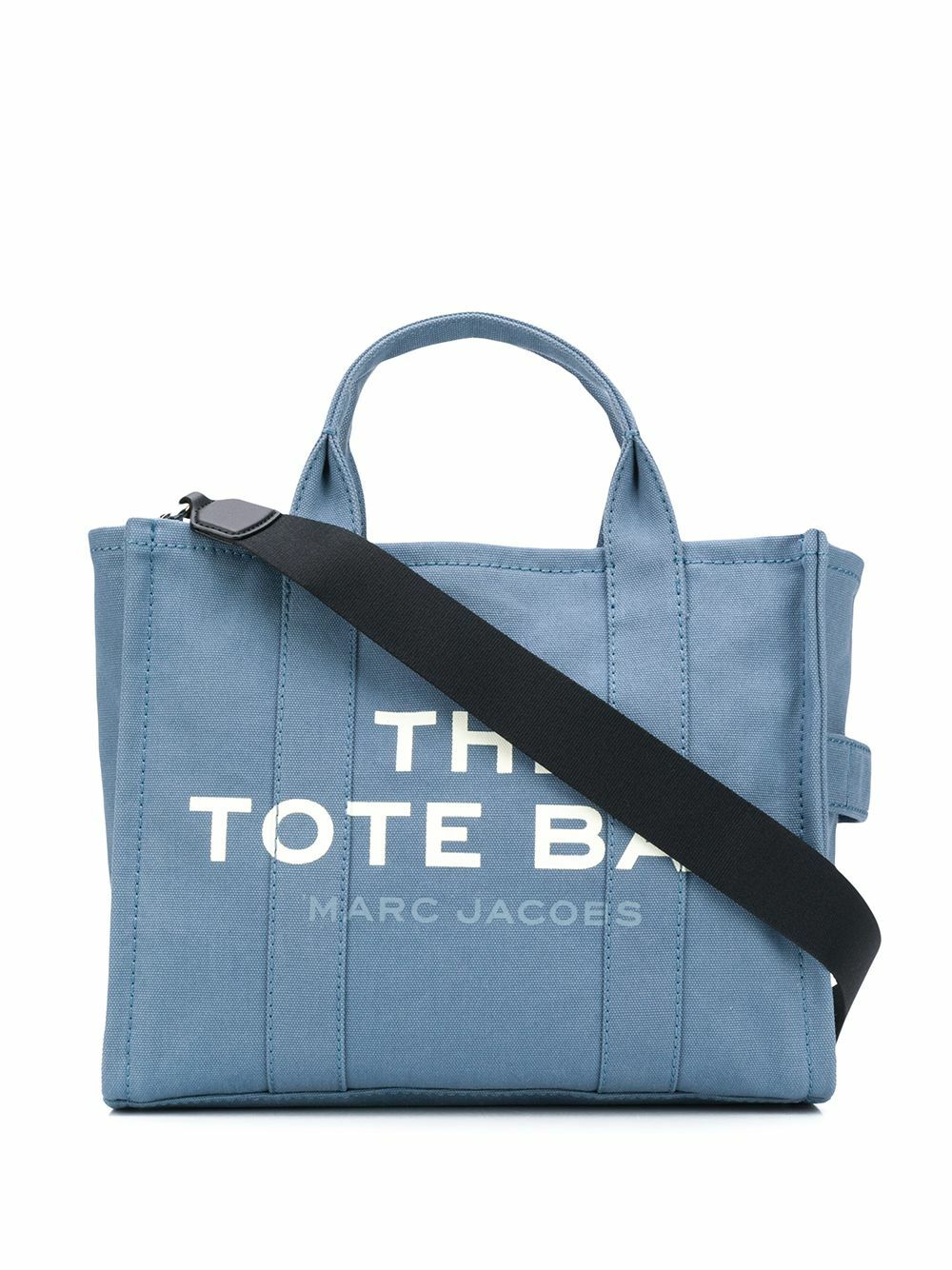
What an outlet actually is here
An outlet in this network is not just a boutique with lower prices, and the policy language is unusually blunt about it. Merchandise purchased at any Marc Jacobs outlet store counts as final sale and may not be returned or exchanged. You cannot return a full-price retail purchase at an outlet, and you cannot bring an online order back there either, so the restriction runs in both directions. Since the brand states that final sale items are neither repaired nor replaced, and outlet items are all final sale items, the consequence most people miss is the warranty one. Put plainly, an outlet bag sits outside the one-year manufacturing-defect coverage that applies to items bought from an authorized vendor with proof of purchase. None of this makes outlet stock fake or inferior and the goods are genuine, yet it does mean you should check over an outlet purchase closely before you hand over a card.
Where the website ships, and how fast
Outside the United States, marcjacobs.com reaches 49 countries and regions covering Europe, the Gulf, East and Southeast Asia, Australasia and the Americas. That list covers Australia, Canada, Chile, China, Japan, South Korea, Mexico, New Zealand, Saudi Arabia, Singapore, Turkey, the United Arab Emirates, the United Kingdom and most of the European Union, though Japanese orders are routed through the Japan site instead. Some firm exclusions are worth knowing before you put anything in a basket: no APO, FPO or DPO addresses, no PO boxes, and no delivery to Puerto Rico or Guam. In the US, ground shipping is free on orders above $50 and costs $9.95 below that line, with a Two Day Express option available, and those figures were current in September 2026 and can change. Timing arrives in two parts that people routinely conflate, namely one to three business days to process the order, then another one to three business days on the road on UPS Ground. Rather than assuming the transit window is the entire story, budget up to six business days from end to end.
Returns, exchanges and the mismatches that catch buyers out
US returns run 30 days from the shipment date, and the item must come back unworn, unwashed, unaltered, with tags attached and in its original packaging. The brand generates a free prepaid UPS label, so domestic return postage is covered, and refunds go back to the original payment method usually within about ten business days. Here is the part that surprises people: no exchanges at all are offered on marcjacobs.com, so the wrong size means a return plus a fresh order rather than a swap. Online orders also cannot be returned or exchanged in retail stores, which takes away the shortcut most shoppers assume exists. At US retail stores, returns are themselves restricted to exchange or store credit only, with a receipt, in person, so a trip to a boutique will not put cash back on your card. A fee that varies by market applies to international returns, quoted at figures such as £16 in the United Kingdom, €20 in Europe, CAD$20, A$20, HK$200, ₩34,000 and THB 800, and original shipping is not refunded.
At a glance, channel by channel
The single most useful habit when shopping this brand is to fix your channel before you choose your bag, because the channel determines what you can undo later. The brand says plainly that the products available in-store or online are not guaranteed to be the same, so the assortment is not synchronized either. Prices can vary between a boutique and the website too, and both vary by country, so a figure you saw in one place is not a promise anywhere else. Product pages carry a find-in-store function, which is the fastest way to check whether a given style is on a shelf near you. When you are buying a gift, the exchange rules should probably decide the channel for you, since the website offers no exchanges and outlets offer nothing at all. The table below condenses the three routes into the practical trade-offs.
| Channel | What it carries | The return rules | The catch |
|---|---|---|---|
| Boutique (46 of 103 locations) | Full ready-to-wear plus bags, jewelry, shoes and accessories; Bookmarc is books and gifts | 30 days, exchange or store credit and nothing else, with receipt, in store | No refunds in cash, and online orders cannot be returned here |
| Outlets (57 of 103 locations) | Off-price stock; all of Europe outside Regent Street is outlet-only | None, final sale, no returns and no exchanges | Final sale items cannot be repaired or replaced, so the warranty does not apply |
| marcjacobs.com | Full assortment online; ships to the US plus 49 countries and regions | 30 days from shipment, a free prepaid UPS label in the US | No exchanges at all, no in-store returns, and international returns carry a fee |
Coach Explained: The Full Brand Guide for 2026
In 2026, Coach, a leading name in American fashion, is reporting vigorous sales growth. The brand began as a modest leather workshop, turned into a handbag specialist and now sells clothing, shoes and accessories in stores around the world. Its founding idea has held firm for decades: quality leather goods priced below the traditional European luxury houses. A federal court has characterized that niche as accessible luxury, separate from both mass-market fashion and true luxury.
This guide explains how Coach began, who owns and manages it, the current size of the business and what it sells. The guide also clarifies how a full-price coach store compares with a coach outlet, a subject that often causes confusion. All figures are dated to their sources, and any prices are observed market prices and not an official price list.
The Early Years: From Manhattan Workshop to American Brand
Coach traces its origins to 1941, when a tiny family-run leather workshop was established in Manhattan. By Coach’s own account, six artisans worked in a loft on 34th Street, crafting men’s wallets, billfolds and other small leather goods. Bags for women followed later, along with the Coach name, which dates to about 1960 or 1961. Despite some inaccurate accounts, Miles and Lillian Cahn were never the founding owners of the workshop.
By around coach sandals 1950, Miles was managing the factory, some years after joining the business together with Lillian in 1946. In 1961 they bought out the original owners and took control. Lillian Cahn is reported to have suggested adding women’s handbags, a step that transformed the company. Miles Cahn is credited with glovetanned leather, a finish based on the way a worn baseball glove becomes softer with wear.
Bonnie Cashin and Her Coach Years
Bonnie Cashin, who served as Coach’s first lead designer, is the designer most closely linked with Coach in its early days. She was never a co-founder of Coach, and she reportedly designed under contract rather than as an employee. Coach’s own pages give her start date as both 1961 and 1962, which makes that date slightly uncertain. Her departure is well established: she left Coach in 1974.
In 1964 Cashin introduced the brass turnlock closure, which Coach says was inspired by the toggle on the top of her convertible. The designer is also credited with side pockets, coin-purse details and more vivid colors, which loosened up the brand’s look. Current bags like the Cassie crossbody carry the turnlock, which is still among the most recognizable Coach details.
Owners, Listings and the Birth of Tapestry
Sara Lee Corporation took over Coach in July 1985. In October 2000 the business went public, and the following year Sara Lee is reported to have fully exited. Rather than being a mid-century heritage motif, the «C» monogram dates from far more recent times: Coach debuted its Signature collection built around it in 2001. The corporation, Coach, Inc., took the name Tapestry, Inc. on 31 October 2017, with its ticker symbol moving from COH to TPR.
The Coach brand, its shops and its products were not renamed; the parent company alone changed its name. Tapestry sold Stuart Weitzman to Caleres in a deal that closed on 4 August 2025, concluding an era that started when Coach, Inc. purchased the shoe label in 2015. Of the only two brands Tapestry owns in 2026, Coach and Kate Spade, Coach is by far the larger.
The Capri Deal That Never Closed
Tapestry made public on 10 August 2023 that it had agreed to buy Capri Holdings, owner of Michael Kors, Versace and Jimmy Choo. In April 2024 the Federal Trade Commission challenged the deal, asking a federal court to block it with a preliminary injunction. A federal judge in the Southern District of New York handed down the preliminary injunction on 24 October 2024. Even though it was not a final ruling on the merits, the injunction barred the companies from closing for as long as the challenge went on.
The court’s decision recognized the existence of an accessible luxury handbag market, distinct from mass-market bags as well as from true luxury. Saying that the legal process was unlikely to conclude before their February 2025 deadline, Tapestry and Capri terminated their agreement on 14 November 2024. Because the acquisition was never completed, Tapestry owns no part of any Michael Kors, Versace or Jimmy Choo business.
Coach’s Leadership at Present
At parent company Tapestry, the chief executive is Joanne Crevoiserat. The brand itself is led by Todd Kahn, Coach’s CEO and brand president, who took the job on an interim basis in July 2020 and has held it permanently since April 2021. Creative leadership rests with Stuart Vevers, whose appointment was made public in June 2013.
The first collection Vevers designed for Coach was reportedly unveiled in February 2014, and in 2026 he continues to serve as Coach’s creative director. Reports say he had a spell at Mulberry before becoming creative director at Loewe ahead of his move to Coach. Under Vevers, Coach has drawn heavily on its archive, reissuing older designs as well as reworking vintage shapes into new bags such as the Tabby. New York’s Cunard Building was the setting for his Fall 2026 collection on 11 February 2026.
The Numbers Behind Coach
The clearest view of Coach’s scale comes from Tapestry’s annual report for the fiscal year that ended 27 June 2026. Coach posted net sales of $6,914.7 million, a rise of 24% on the prior year, while Tapestry as a whole reported $8,004.2 million. Put another way, approximately 86% of group sales were generated by Coach.
By the close of that fiscal year, Coach ran 973 directly run stores, split between 336 in North America and 637 internationally. A figure of about 1,299 stores also circulates, but it counts every Tapestry store rather than Coach alone. An increase at a mid-teens percentage rate in the average unit retail price of Coach handbags over the year was also reported by Tapestry. Some of that increase, according to the company, reflects fewer promotions.
| Indicator | Figure | Period |
|---|---|---|
| Coach brand net sales | $6,914.7 million (up 24%) | The 2026 fiscal year |
| Net sales, Tapestry | $8,004.2 million | Fiscal year 2026 |
| Directly operated Coach stores | 973 | End of fiscal 2026 |
| Of which North America | 336 | End of fiscal 2026 |
| Of these, international | 637 | End of fiscal 2026 |
| Brands owned by Tapestry | Coach and Kate Spade | 2026 |
Bags, Clothes and Shoes: What Coach Makes
The core of the business is still handbags, and the current coach handbags mix structured icons with softer, slouchier leather. Key launches include the Tabby in 2019, drawn from a 1970s archive shape, the Rogue in 2016 and again in 2021, and the Brooklyn, a relaxed coach shoulder bag, in August 2024. The Empire Carryall made its runway debut in the Fall 2024 show and then reached stores in February 2025. At the top end, a Rogue 25 in alligator was spotted at $8,000, the highest bag price observed, while the Kisslock Frame Bag, said to have opened the Fall 2026 show, was observed at $350. The Coach Originals line reissues archive designs as newly made bags, so those pieces are not vintage.
Ready-to-wear is now a serious part of the business, and coach clothing for Fall 2026 included varsity jackets in leather and in leather with wool, the brand’s first all-shearling varsity jacket, peacoats and suede coats. At the same show, the label introduced blazers, flared trousers, A-line skirts, floor-length high-collar dresses and all-gender jacquard knits. Footwear includes sneakers such as the Soho Sneaker and the laceless Skate Sneaker, and fashion press reported loafers, clogs, booties and sandals for fall. Coach also runs Coach (Re)Loved, launched in 2021 and reported to cover trade-ins, restored bags and upcycled pieces, plus Coachtopia, a circular-design sub-brand launched on 20 April 2023.
Buying Coach: Stores, Coach Outlet and Online
A full-price coach store stocks the current collections, and the grandest flagships use the Coach House name. The New York Coach House on Fifth Avenue reportedly opened in 2016, and a new Coach House at 645 Fifth Avenue has been reported as targeted for 2027. London’s Coach House on Regent Street also opened in 2016, and in the UK the brand is stocked by Harrods, Selfridges and John Lewis as well. Shoppers after a structured coach bag, a coach tote bag or a new jacket from the latest season will find it in the full-price range.
As Coach’s own official channel, Coach Outlet runs outlet stores plus an official online outlet section on Coach’s own website. In 2014, Coach’s head of investor relations was quoted saying roughly 85% of outlet merchandise was made for the outlet channel, though that figure is dated, and Tapestry has since discussed bringing some full-price product into outlets. Asserting that outlet bags are invariably worse, or exactly the same as boutique bags, stretches past the public evidence. In the UK, shoppers can find outlet stores at Bicester Village, Cheshire Oaks and Ashford Designer Outlet. Shoppers sometimes type «couch» or «cosch» when searching for the brand, so check that any site promising huge discounts is really Coach’s own website or a known retailer.
]]>Artificial intelligence fakes in the adult content space: the genuine threats ahead
Sexualized AI fakes and «undress» images are now inexpensive to produce, tough to trace, yet devastatingly credible at first glance. Such risk isn’t hypothetical: AI-powered clothing removal software and online nude generator platforms are being deployed for intimidation, extortion, and reputation damage at massive levels.
This market moved well beyond the early Deepnude app period. Today’s adult AI tools—often branded under AI undress, AI Nude Generator, and virtual «AI girls»—promise convincing nude images via a single image. Even when the output isn’t flawless, it’s convincing adequate to trigger distress, blackmail, and social fallout. On platforms, people find results from brands like N8ked, undressing tools, UndressBaby, AINudez, explicit generators, and PornGen. The tools differ by speed, realism, along with pricing, but such harm pattern stays consistent: non-consensual content is created then spread faster before most victims are able to respond.
Addressing this requires paired parallel skills. To start, learn to identify nine common red flags that betray artificial manipulation. Additionally, have a response plan that focuses on evidence, fast reporting, and safety. Next is a practical, proven playbook used by moderators, trust & safety teams, and digital forensics experts.
How dangerous have NSFW deepfakes become?
Easy access, realism, and amplification combine to heighten the risk assessment. The «undress application» category is point-and-click simple, and social platforms can spread a single synthetic photo to thousands among users before a takedown lands.
Low friction is the core issue. A one selfie can become scraped from a profile and input into a Clothing Removal Tool in minutes; some tools even automate batches. Quality is unpredictable, but extortion doesn’t require photorealism—only plausibility and shock. Outside coordination in encrypted chats and data dumps further increases reach, and many hosts sit outside major jurisdictions. Such result is an whiplash timeline: generation, threats («provide more or they post»), and distribution, ainudez undress often before any target knows when to ask for help. That ensures detection and instant triage critical.
Red flag checklist: identifying AI-generated undress content
Most undress AI images share repeatable indicators across anatomy, natural laws, and context. Anyone don’t need specialist tools; train the eye on behaviors that models consistently get wrong.
First, look for border artifacts and transition weirdness. Clothing edges, straps, and joints often leave phantom imprints, with surface appearing unnaturally refined where fabric should have compressed skin. Jewelry, particularly necklaces and accessories, may float, blend into skin, and vanish between frames of a brief clip. Tattoos and scars are frequently missing, blurred, and misaligned relative compared with original photos.
Second, scrutinize lighting, shade, and reflections. Shaded regions under breasts plus along the chest can appear artificially polished or inconsistent compared to the scene’s illumination direction. Reflections in mirrors, windows, or glossy surfaces could show original garments while the main subject appears «undressed,» a high-signal inconsistency. Specular highlights over skin sometimes duplicate in tiled arrangements, a subtle AI fingerprint.
Additionally, check texture authenticity and hair physics. Surface pores may seem uniformly plastic, showing sudden resolution changes around the body. Body hair along with fine flyaways by shoulders or the neckline often blend into the backdrop or have haloes. Strands that should overlap the body could be cut away, a legacy artifact from segmentation-heavy processes used by several undress generators.
Fourth, assess proportions along with continuity. Tan patterns may be missing or painted on. Breast shape and gravity can conflict with age and posture. Fingers pressing upon the body must deform skin; many fakes miss this micro-compression. Clothing leftovers—like a garment edge—may imprint into the «skin» through impossible ways.
Fifth, read the scene context. Crops frequently to avoid challenging areas such as armpits, hands on person, or where clothing meets skin, concealing generator failures. Background logos or text may warp, plus EXIF metadata is often stripped but shows editing tools but not any claimed capture equipment. Reverse image search regularly reveals source source photo with clothing on another site.
Sixth, evaluate motion cues when it’s video. Breath doesn’t move upper torso; clavicle plus rib motion don’t sync with the audio; and physics of accessories, necklaces, and clothing don’t react during movement. Face replacements sometimes blink with odd intervals compared with natural human blink rates. Space acoustics and sound resonance can mismatch the visible space if audio was generated or lifted.
Next, examine duplicates along with symmetry. Artificial intelligence loves symmetry, therefore you may spot repeated skin marks mirrored across the body, or matching wrinkles in fabric appearing on either sides of image frame. Background designs sometimes repeat in unnatural tiles.
Next, look for profile behavior red indicators. Recent profiles with sparse history that unexpectedly post NSFW content, aggressive DMs demanding payment, or confusing storylines about when a «friend» got the media signal a playbook, instead of authenticity.
Finally, focus on coherence across a series. If multiple «images» showing the same subject show varying body features—changing moles, absent piercings, or different room details—the likelihood you’re dealing within an AI-generated group jumps.
What’s your immediate response plan when deepfakes are suspected?
Preserve evidence, remain calm, and work two tracks simultaneously once: removal along with containment. The first 60 minutes matters more compared to the perfect response.
Start through documentation. Capture full-page screenshots, the web address, timestamps, usernames, along with any IDs in the address bar. Save full messages, including warnings, and record screen video to show scrolling context. Don’t not edit these files; store them within a secure location. If extortion gets involved, do avoid pay and do not negotiate. Criminals typically escalate after payment because this confirms engagement.
Next, trigger platform and search removals. Flag the content through «non-consensual intimate media» or «sexualized AI manipulation» where available. Submit DMCA-style takedowns when the fake uses your likeness inside a manipulated copy of your image; many hosts accept these even if the claim becomes contested. For continuous protection, use a hashing service like StopNCII to create a hash using your intimate content (or targeted content) so participating platforms can proactively prevent future uploads.
Inform trusted contacts if the content targets your social circle, employer, or school. A concise statement stating the material is fabricated and being addressed may blunt gossip-driven distribution. If the person is a underage person, stop everything and involve law enforcement immediately; treat this as emergency child sexual abuse content handling and never not circulate the file further.
Finally, evaluate legal options where applicable. Depending upon jurisdiction, you may have claims under intimate image exploitation laws, impersonation, abuse, defamation, or information protection. A legal counsel or local victim support organization can advise on emergency injunctions and documentation standards.
Removal strategies: comparing major platform policies
Most leading platforms ban non-consensual intimate imagery plus deepfake porn, but scopes and processes differ. Act fast and file within all surfaces when the content appears, including mirrors along with short-link hosts.
| Platform | Policy focus | How to file | Typical turnaround | Notes |
|---|---|---|---|---|
| Meta (Facebook/Instagram) | Unauthorized intimate content and AI manipulation | App-based reporting plus safety center | Hours to several days | Uses hash-based blocking systems |
| X (Twitter) | Unwanted intimate imagery | Profile/report menu + policy form | 1–3 days, varies | May need multiple submissions |
| TikTok | Sexual exploitation and deepfakes | In-app report | Hours to days | Hashing used to block re-uploads post-removal |
| Non-consensual intimate media | Community and platform-wide options | Community-dependent, platform takes days | Target both posts and accounts | |
| Alternative hosting sites | Abuse prevention with inconsistent explicit content handling | Abuse@ email or web form | Inconsistent response times | Leverage legal takedown processes |
Available legal frameworks and victim rights
The law is keeping up, and victims likely have more options than people think. You won’t need to establish who made the fake to demand removal under several regimes.
In Britain UK, sharing pornographic deepfakes without authorization is a illegal offense under existing Online Safety law 2023. In European Union EU, the machine learning Act requires identification of AI-generated media in certain situations, and privacy legislation like GDPR facilitate takedowns where handling your likeness doesn’t have a legal basis. In the United States, dozens of states criminalize non-consensual pornography, with several incorporating explicit deepfake clauses; civil claims for defamation, invasion upon seclusion, plus right of image rights often apply. Many countries also offer quick injunctive relief to curb dissemination while a case proceeds.
If an undress picture was derived from your original photo, legal routes can assist. A DMCA takedown request targeting the derivative work or the reposted original frequently leads to faster compliance from platforms and search engines. Keep your notices factual, avoid excessive demands, and reference all specific URLs.
When platform enforcement slows down, escalate with follow-up submissions citing their published bans on «AI-generated adult content» and «non-consensual personal imagery.» Continued effort matters; multiple, comprehensive reports outperform single vague complaint.
Reduce your personal risk and lock down your surfaces
You can’t erase risk entirely, however you can lower exposure and increase your leverage if a problem starts. Think in terms of what can be scraped, ways it can be remixed, and speeds fast you are able to respond.
Harden personal profiles by reducing public high-resolution pictures, especially straight-on, well-lit selfies that strip tools prefer. Explore subtle watermarking on public photos and keep originals archived so you may prove provenance when filing takedowns. Examine friend lists plus privacy settings across platforms where unknown individuals can DM and scrape. Set implement name-based alerts across search engines along with social sites when catch leaks early.
Develop an evidence package in advance: one template log containing URLs, timestamps, plus usernames; a secure cloud folder; and a short message you can submit to moderators outlining the deepfake. If you manage brand plus creator accounts, consider C2PA Content authentication for new uploads where supported when assert provenance. Concerning minors in personal care, lock away tagging, disable open DMs, and inform about sextortion tactics that start with «send a private pic.»
Across work or academic settings, identify who manages online safety issues and how rapidly they act. Pre-wiring a response process reduces panic along with delays if individuals tries to circulate an AI-powered «realistic nude» claiming the image shows you or some colleague.
Hidden truths: critical facts about AI-generated explicit content
Nearly all deepfake content online remains sexualized. Multiple independent studies from the past few years found that the majority—often over nine in 10—of detected synthetic media are pornographic and non-consensual, which aligns with what websites and researchers see during takedowns. Hashing works without revealing your image publicly: initiatives like protective hashing services create a unique fingerprint locally and only share this hash, not your actual photo, to block additional postings across participating services. File metadata rarely helps once content is posted; major websites strip it upon upload, so never rely on file data for provenance. Digital provenance standards continue gaining ground: C2PA-backed «Content Credentials» can embed signed change history, making it easier to establish what’s authentic, but adoption is currently uneven across user apps.
Emergency checklist: rapid identification and response protocol
Pattern-match for the key tells: boundary irregularities, lighting mismatches, texture along with hair anomalies, size errors, context inconsistencies, motion/voice mismatches, mirrored repeats, suspicious profile behavior, and variation across a collection. When you notice two or multiple, treat it regarding likely manipulated then switch to action mode.
Record evidence without resharing the file broadly. Flag on every service under non-consensual private imagery or explicit deepfake policies. Utilize copyright and personal information routes in simultaneously, and submit one hash to trusted trusted blocking platform where available. Inform trusted contacts using a brief, accurate note to prevent off amplification. If extortion or minors are involved, report to law officials immediately and avoid any payment or negotiation.
Above all, respond quickly and organizedly. Undress generators and online nude generators rely on shock and speed; one’s advantage is a calm, documented method that triggers website tools, legal mechanisms, and social containment before a fake can define the story.
For transparency: references to brands like N8ked, DrawNudes, UndressBaby, AINudez, explicit AI services, and PornGen, plus similar AI-powered clothing removal app or production services are included to explain danger patterns and will not endorse their use. The most secure position is clear—don’t engage with NSFW deepfake creation, and know methods to dismantle synthetic content when it affects you or people you care for.
]]>